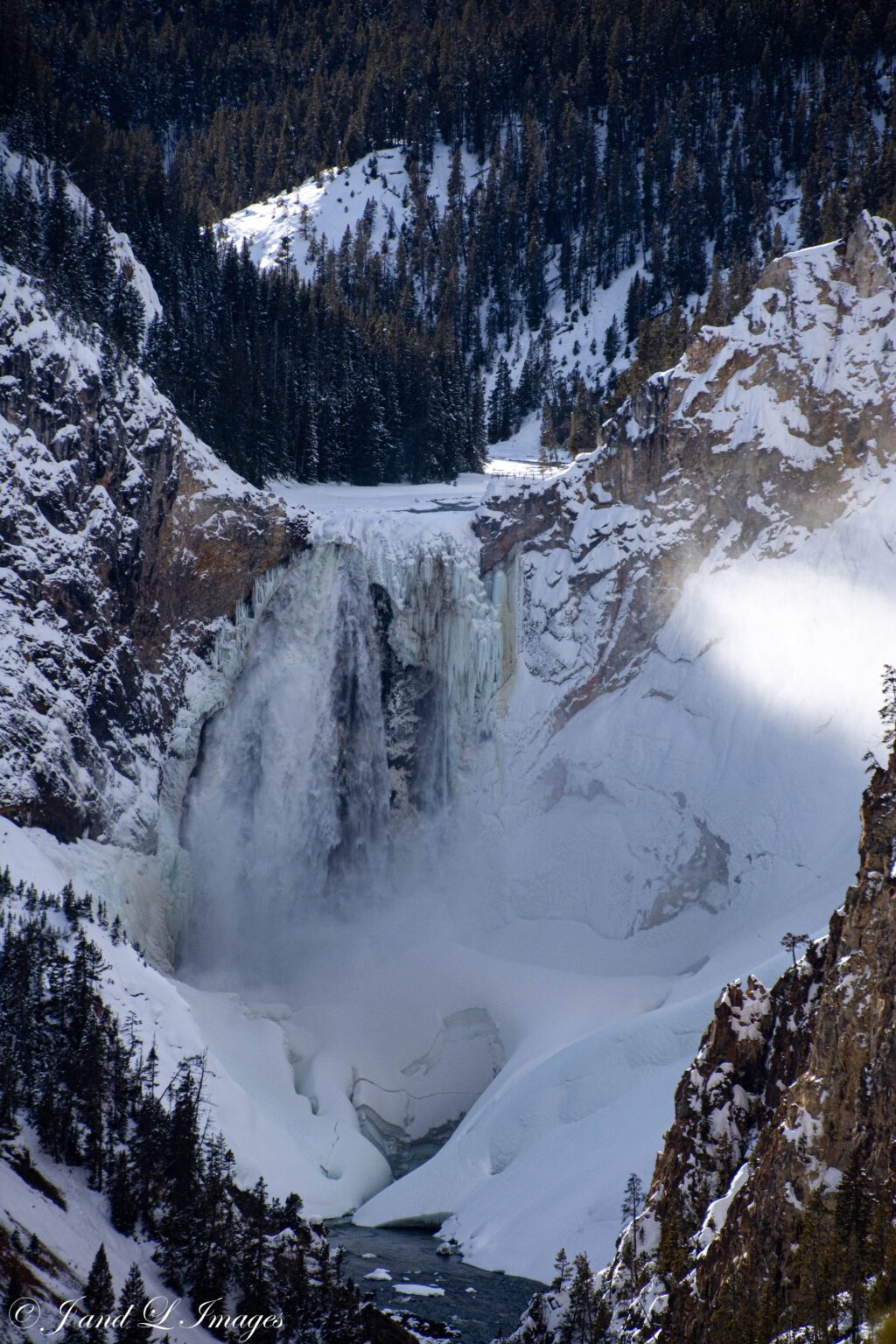
Yellowstone Winter Expedition - February 8 - February 14, 2026
A Bit of Background
I wanted to surprise my husband with a retirement gift that mirrored a grand gesture from our past. Decades ago, he shocked me with a mystery getaway, giving me no details other than to “pack for a cool weekend.” Now, it was my turn to return the favor. I wanted this milestone journey to be deeply memorable, but we also wanted to keep it brief, domestic, and reasonably budgeted.
There was just one catch: we had recently returned from Iceland and Greenland, so I was actively trying to avoid icebergs and freezing temperatures. Yet, while scrolling the internet for ideas, my focus kept getting pulled to an unlikely contender: Yellowstone National Park in the dead of winter.
I initially wondered if the park was even accessible during the colder months, but my research uncovered an astonishing contrast in crowd sizes. While summer months like June and July see a staggering 900,000 monthly visitors, the park transitions into a quiet, frozen sanctuary in January and February, hosting a tiny fraction of that number.
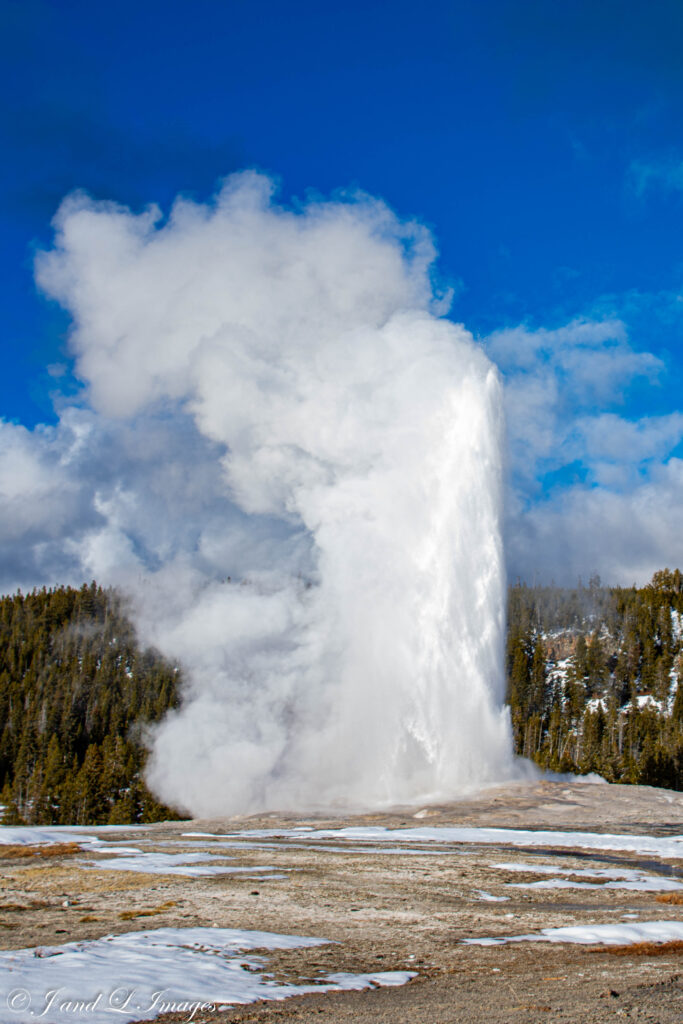
Because Yellowstone’s deep interior features—including Old Faithful—are inaccessible by standard vehicles in winter, I discovered that an organized tour was our best option. The ideal packages included mandatory snow coach or snowmobile transit, lodging at the Old Faithful Snow Lodge and Mammoth Hot Springs Hotel, and expert wildlife guides. To ensure the style suited him, I subtly presented my husband with a choice: did he prefer a standard large-group tour with lighthearted storytelling, or a small group capped at ten people focusing on deep, inquiry-based conversations tailored to our specific interests? Drawn to the promise of meaningful learning, he immediately chose the smaller group: the Old Faithful Winter Expedition. With his buy-in secured and the secret destination still safe, I gave him his only clue: we were heading out to go snowshoeing at high altitude.
Yellowstone…in February?
When our flight touched down in Bozeman, Montana, in early February, we stepped off the plane and immediately paused in confusion. The ground was entirely bare. Normally, this gateway town expects a solid two feet of snow by this point in the winter, creating a postcard-perfect blanket over the valley. Instead, we were greeted by dry pavement and exposed dirt.
We looked at each other, suddenly unsure of what to expect. If Bozeman was entirely clear of snow, what did that mean for our high-altitude snowshoeing plans? Was the entire region experiencing an unseasonal meltdown? The bus trip from Bozeman to Yellowstone didn’t relieve our concerns. All around us we saw bare ground…only a few mountains had snow and the temperatures were unseasonably warm.
Our uncertainty was amplified by the reputation that always precedes this legendary park. Like most people, everything we knew of Yellowstone was tied to reports of overwhelming crowds. We had read the viral stories and seen the photos of bumper-to-bumper traffic jams, overflowing boardwalks, and tourists packed shoulder-to-shoulder waiting for a glimpse of a geyser. Even knowing the winter statistics, it was hard to shake that mental image. We couldn’t help but wonder if we were about to walk straight into a bustling, muddy landscape that completely defied the serene winter wonderland I had imagined when booking the trip.
Then…the appreciation began
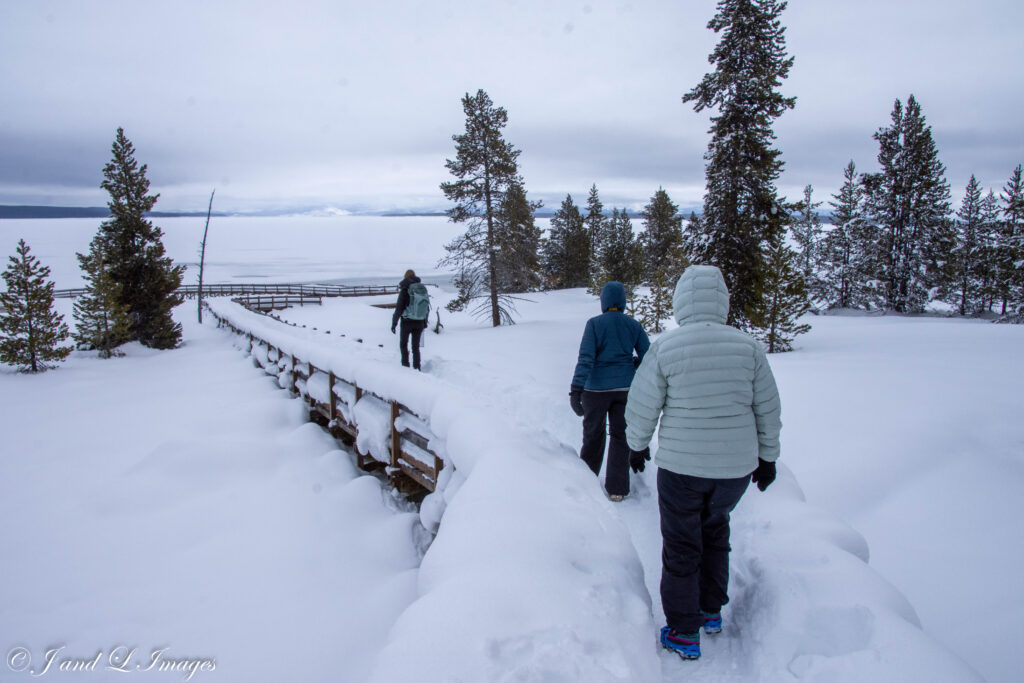
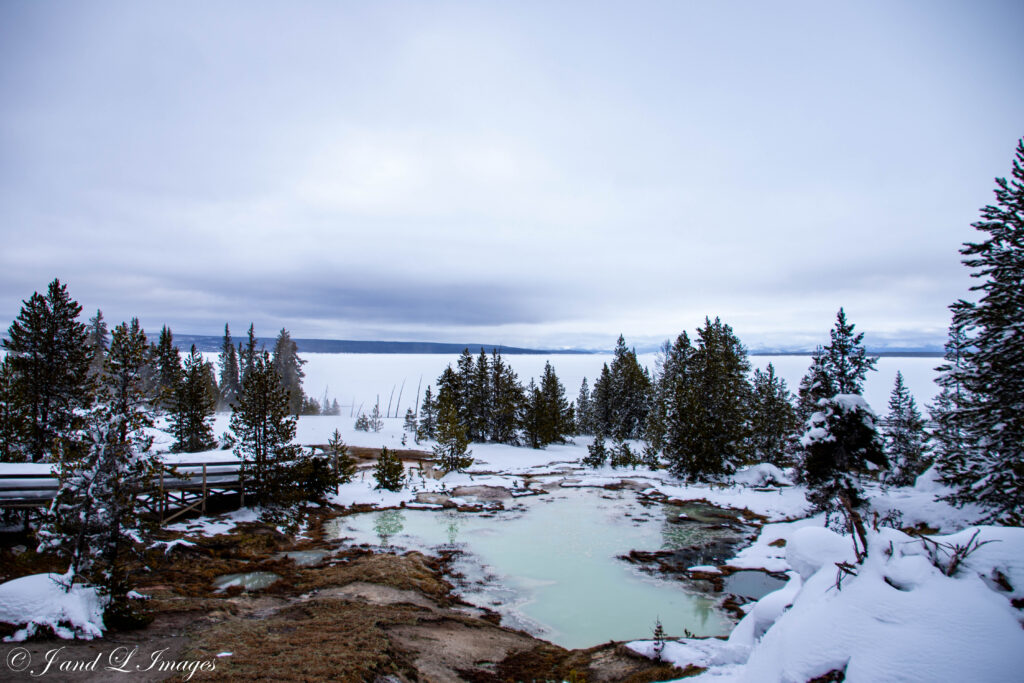
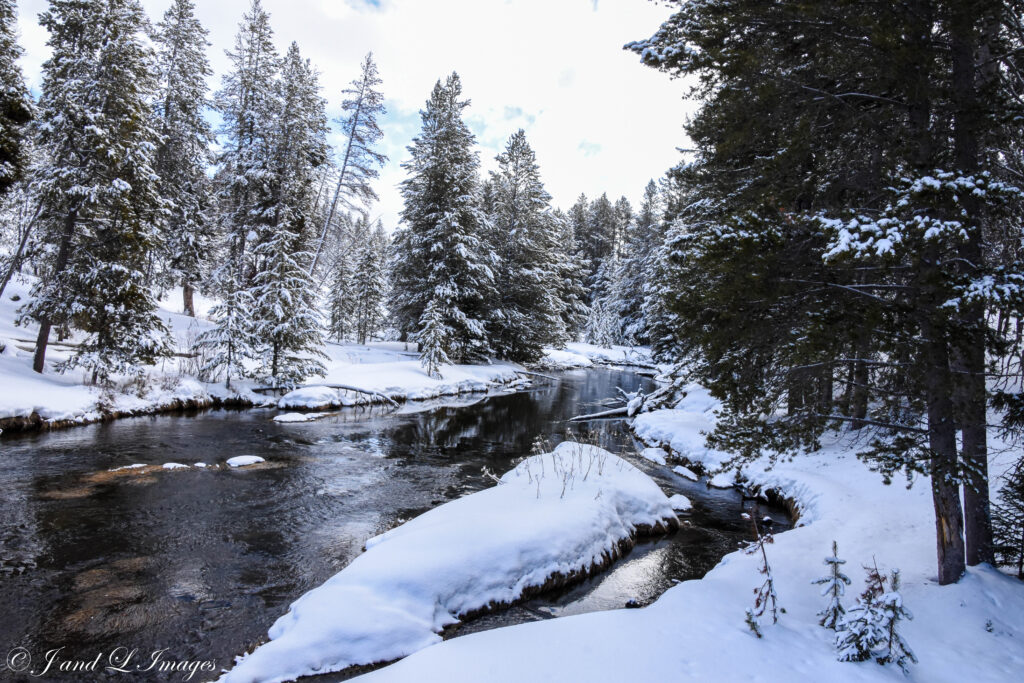
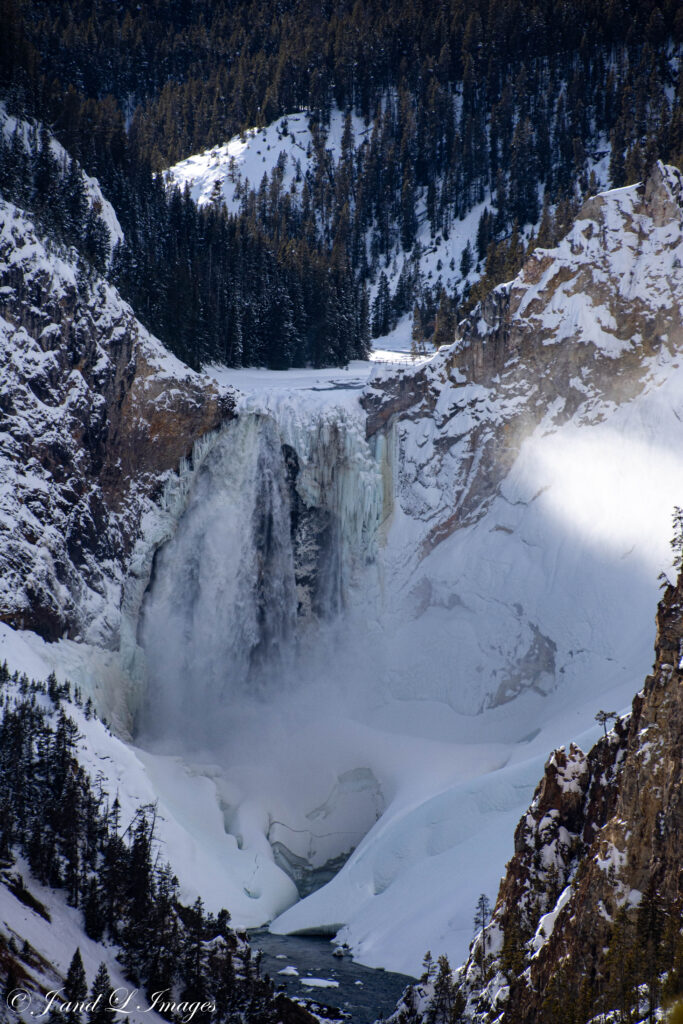
Any lingering anxiety melted away the moment we crossed into the interior of the park. The stark, bare ground of the lower valleys gave way to a dramatic shift in scenery: snow had fallen here. While it wasn’t quite as deep as a typical winter, it was more than enough to instantly transform the landscape into the quiet, pristine wonderland I had envisioned. In fact, on some of the interior boardwalks, we found ourselves walking on top of impressive routes of packed snow measuring up to three feet deep.
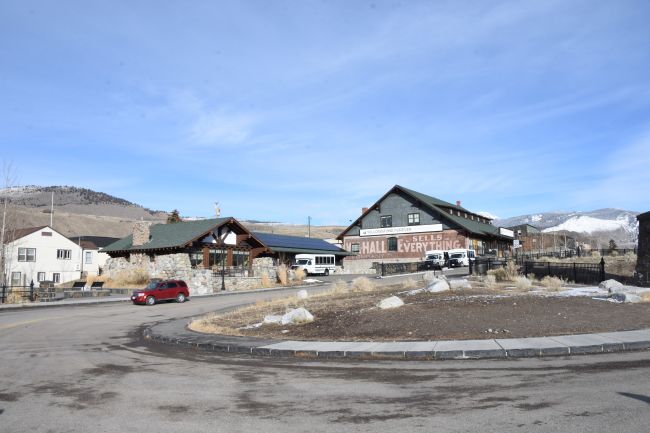
We spent our first and final nights of the expedition at the historic Mammoth Hot Springs Hotel. Hoping for a front-row seat to the park’s famous residents, we had specifically requested a room overlooking the flats where elk routinely gather to rest. Ironically, the courtyard was completely empty—not a single elk was in sight. Fortunately, the hotel more than made up for the missing wildlife with its culinary offerings; the breakfasts and dinners in the hotel restaurants were diverse, beautifully prepared, and consistently excellent. Lunches were an adventure of their own, packed ahead of time and eaten on the road inside the park’s cozy, heated warming huts, which provided a welcome refuge from the crisp mountain air.
The true heartbeat of our trip was the small-group experience itself. Our tour consisted of just seven travelers, a small gathering of fascinating people from varied backgrounds who were all equally engaging in their own right. Together, we were led by an incredibly knowledgeable and personable guide from Yellowstone Forever, alongside a highly skilled driver who navigated the icy terrain with meticulous care.
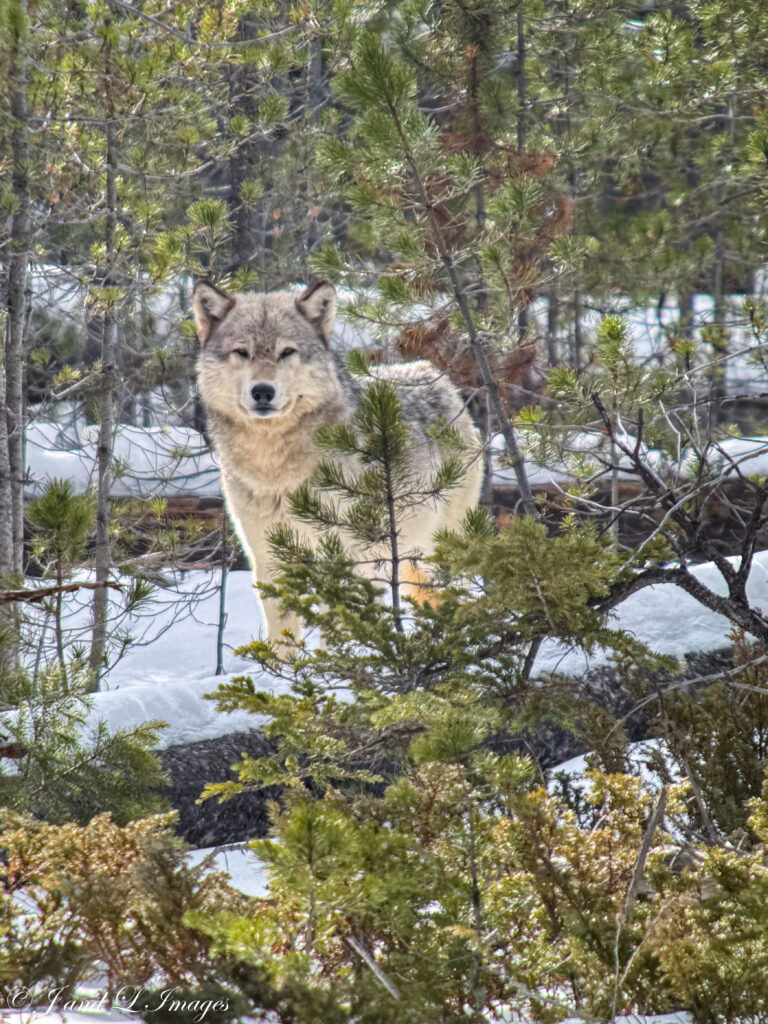
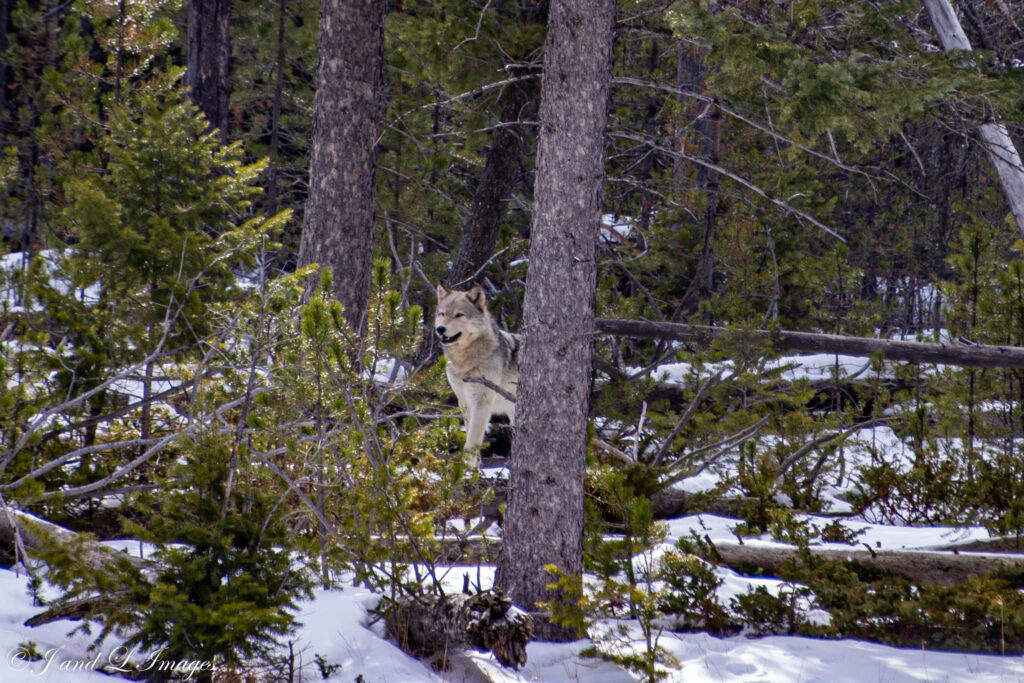
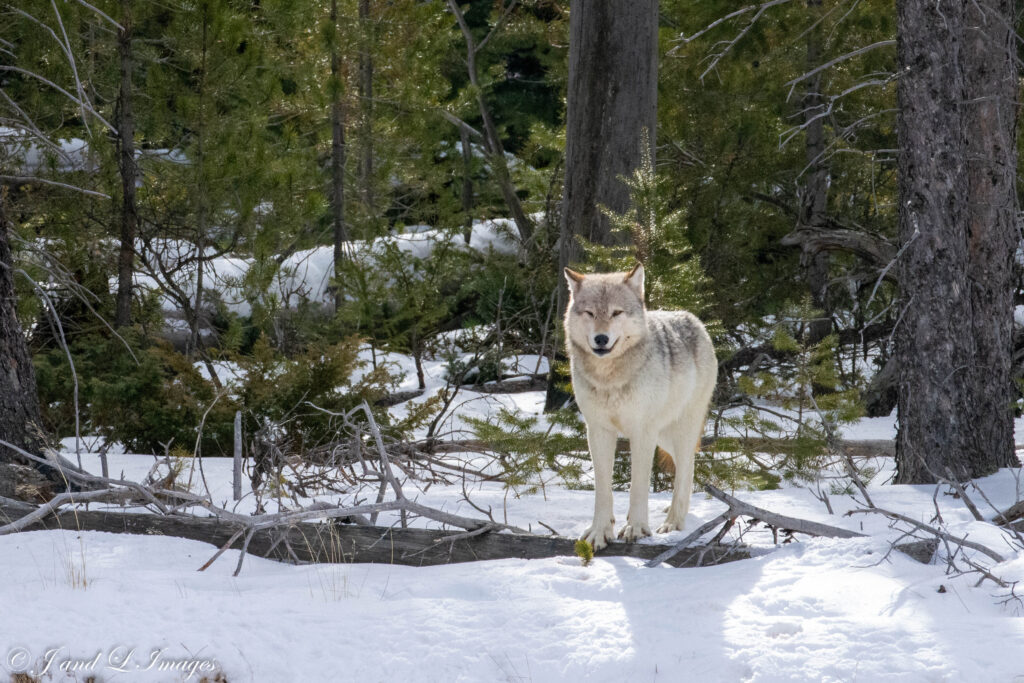
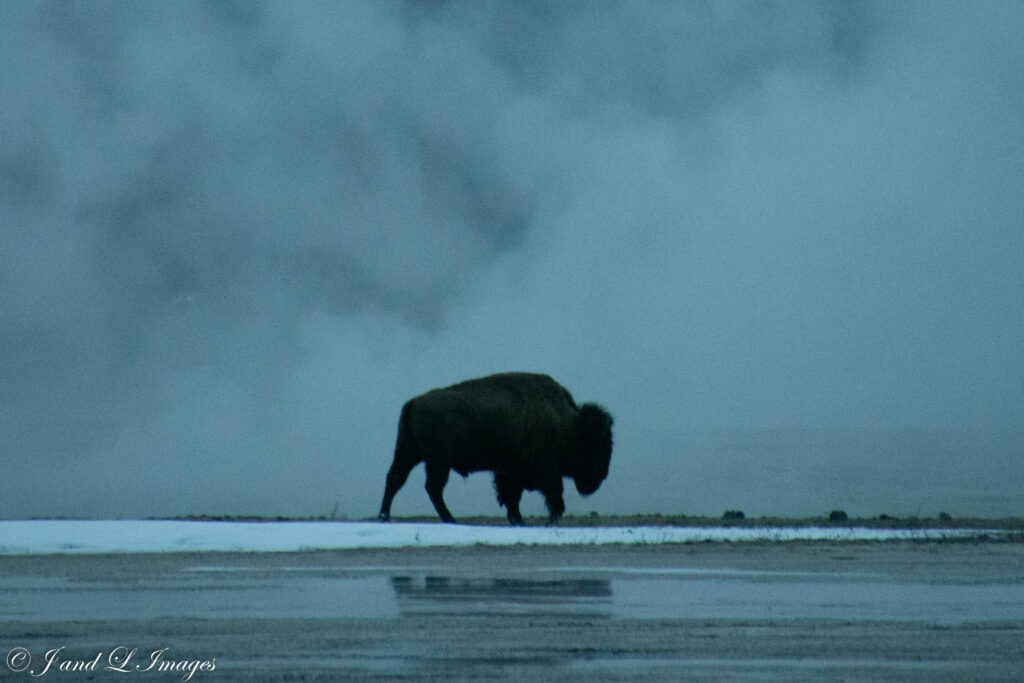
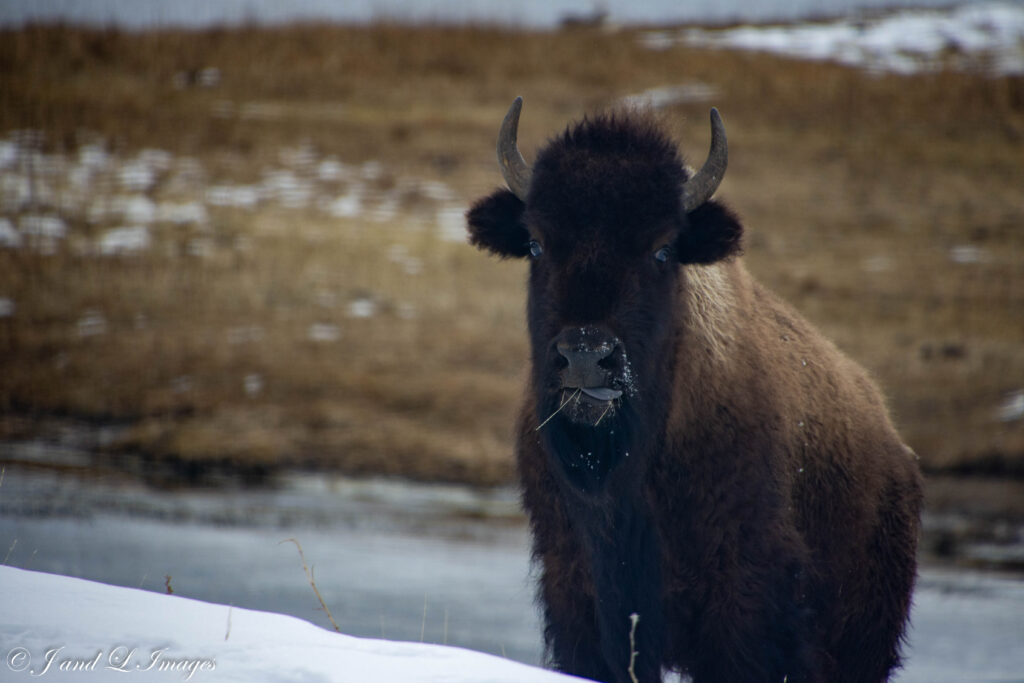
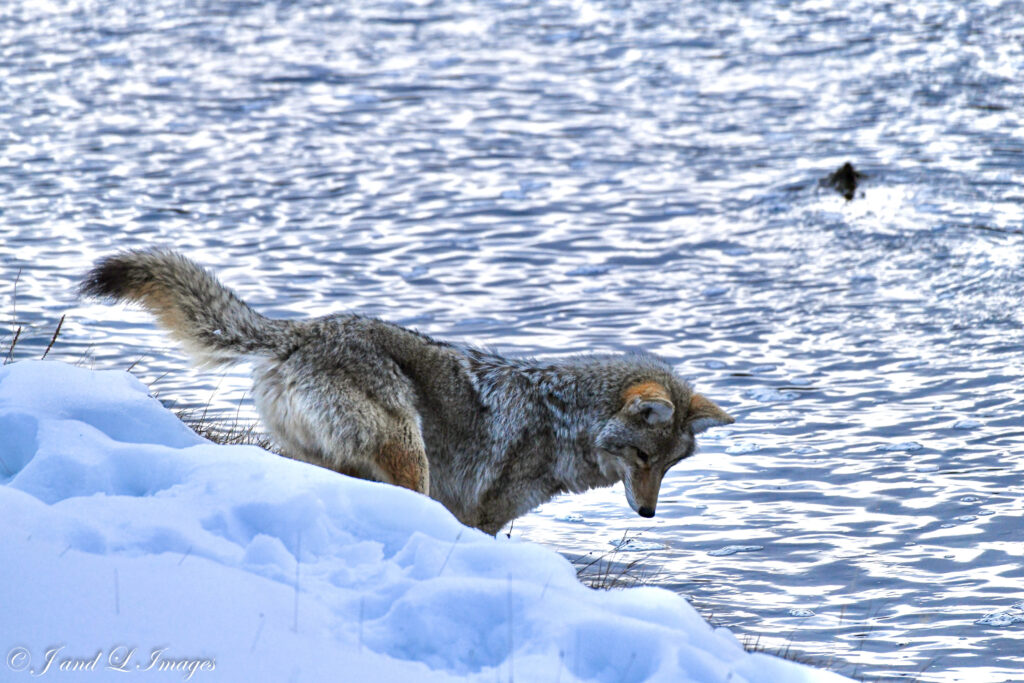
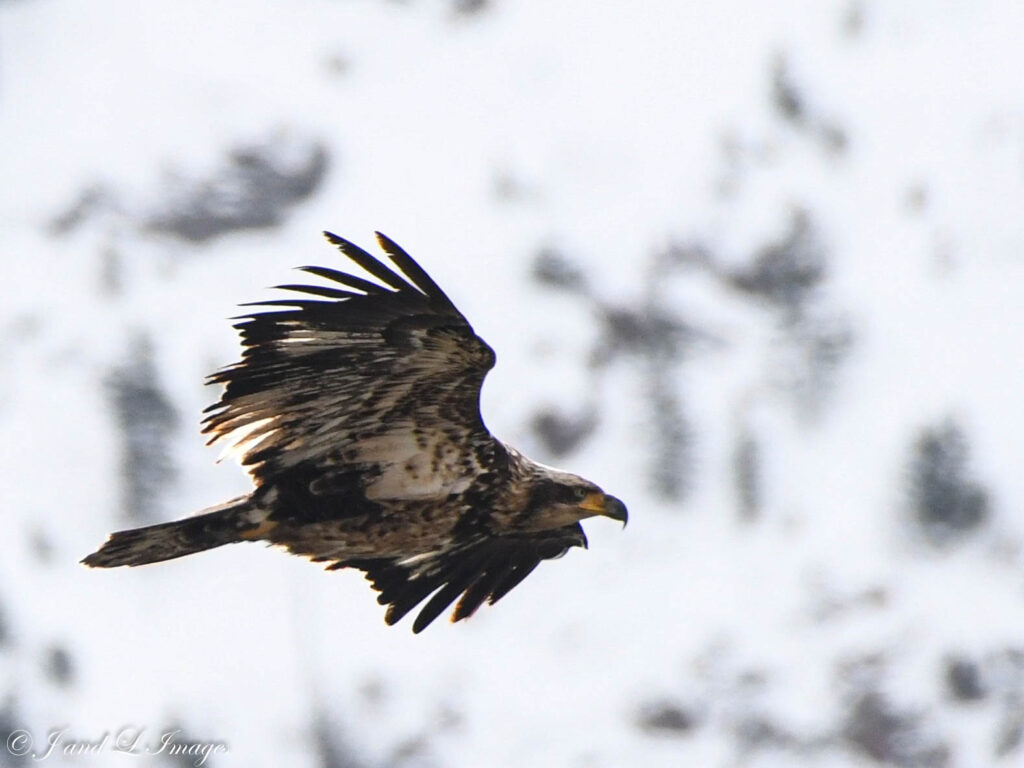
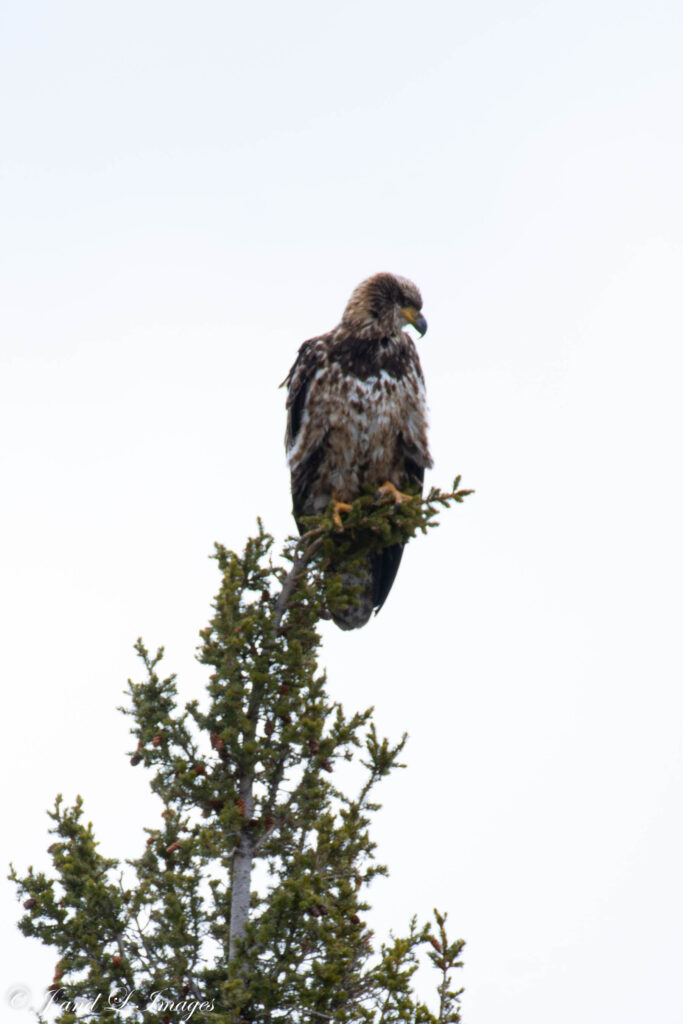
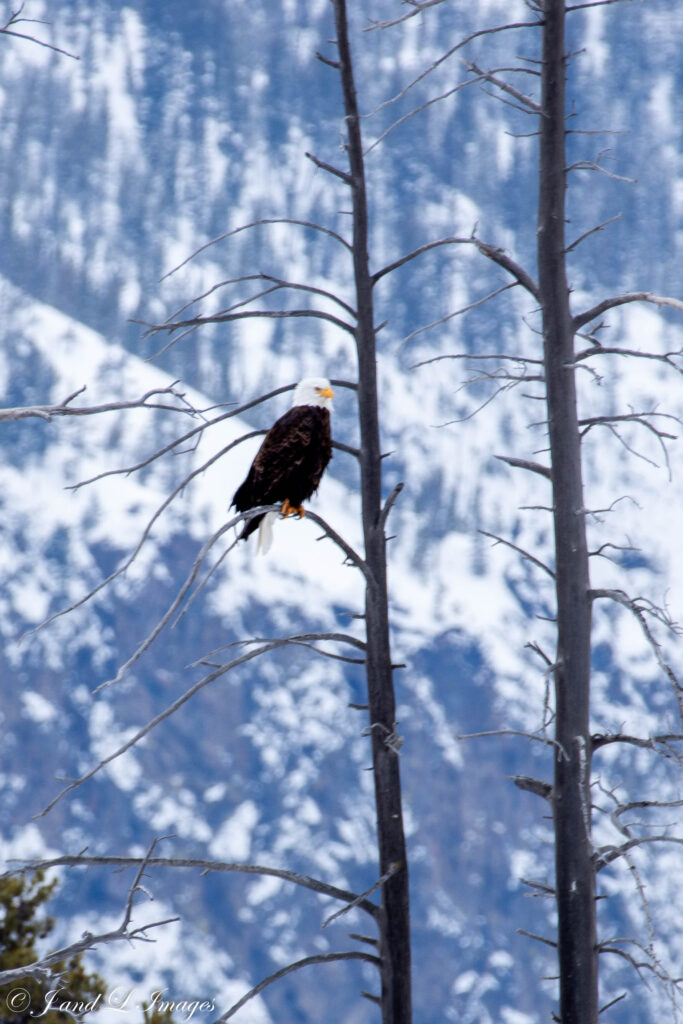
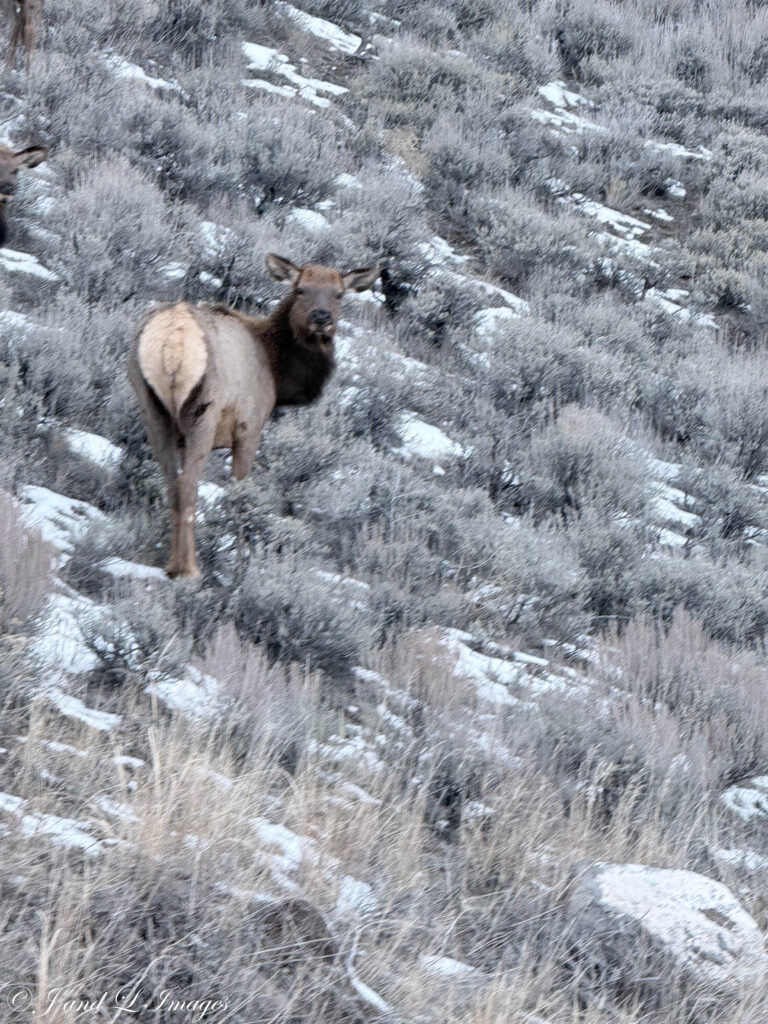
With their expertise, the park became a living classroom. We observed an astonishing array of wildlife throughout our days, tracking both juvenile and adult bald eagles soaring overhead, lone coyotes hunting along a river, massive bison moving about the meadows and sometimes the roadways, a rare and elusive pine marten darting through the trees, and the unforgettable sight of wolves in the distance and up close. A bison fell on the other side of a river paralleling the roadway. We were able to observe multiple wolves within approximately 75 to 100 feet. (As for those missing elk and the park’s pronghorn, we finally spotted them gathered on the outskirts of the park during our return trip to Bozeman).
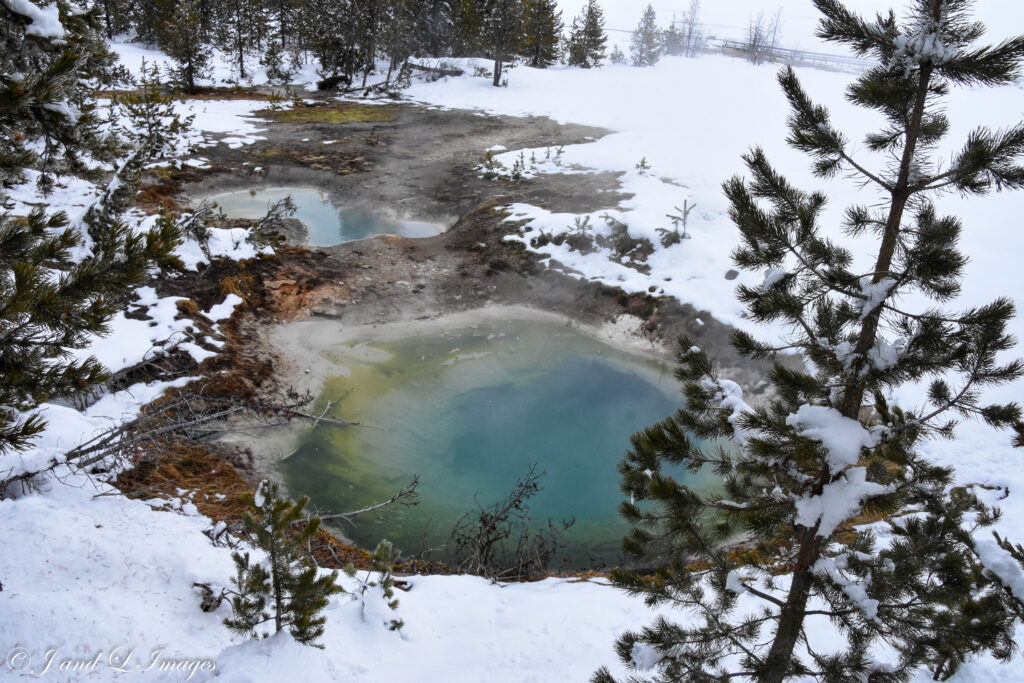
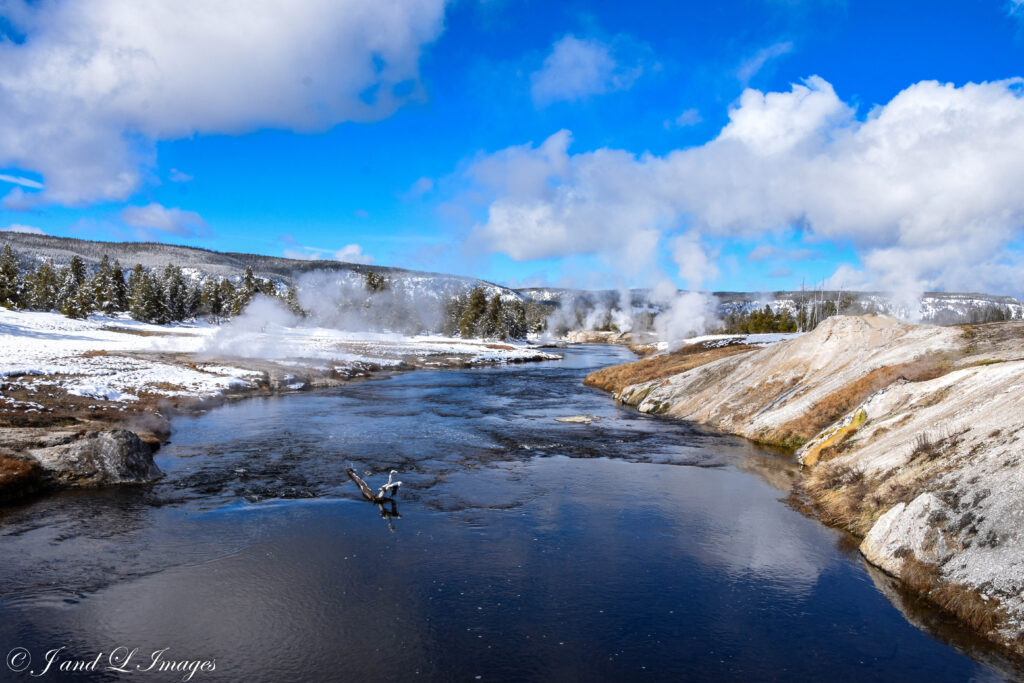
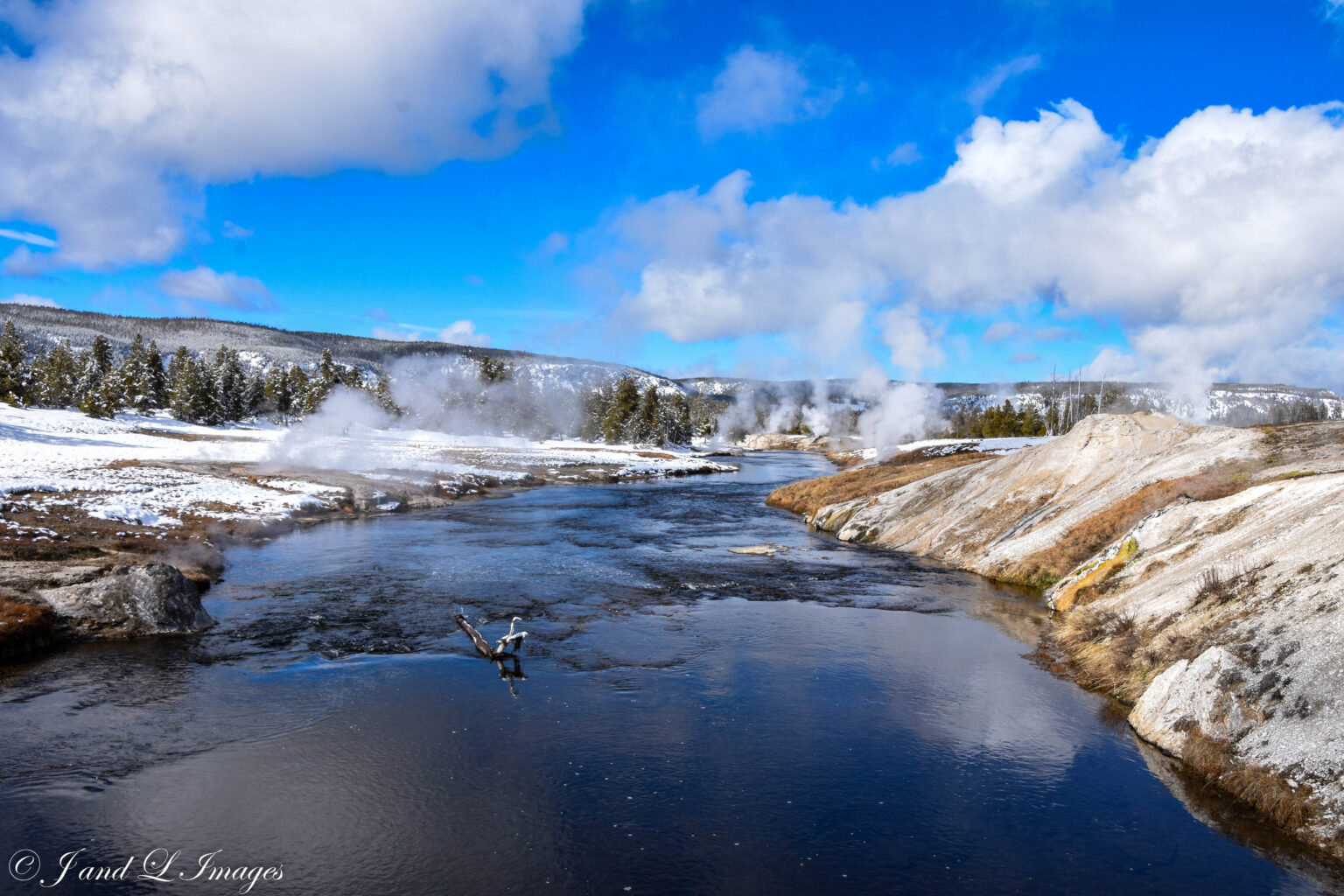
Beyond the wildlife, we developed a profound appreciation for Yellowstone’s complex geology. We spent hours exploring a myriad of thermal features, moving between delicate hot springs, roaring geysers, bubbling mud pots, and steaming fumaroles. The sheer scale of the colors visible in the thermal pools was breathtaking—vibrant blues, deep emeralds, and brilliant rust tones that looked almost surreal against the white snow, revealing an amazing, wide-ranging canvas of a world alive just beneath the ice.
Quiet Wonders, Lasting Impressions
Looking back, our journey completely reshaped how we see Yellowstone. We entered the park carrying the standard mental images of a crowded summer destination, but we left with a profound, newfound appreciation for its true character. Experiencing the park in February taught us a clear lesson: winter isn’t just an alternative time to visit Yellowstone—it is arguably the best time. The unique environmental conditions, the raw and frozen natural beauty, and the absolute absence of overwhelming summer crowds combine to reveal the park’s authentic soul. Stripped of the tourist noise, the land feels wild, ancient, and deeply at peace.
Beyond the stunning scenery, the true impact of the trip lies in how it expanded our perspectives. Spending uninterrupted days immersed in that quiet, snowy expanse gave us the rare mental space to slow down and truly observe the world around us. This time in nature fundamentally shifted our thought processes, fostering a deeper, more patient way of looking at wildlife and geology alike.
That internal shift was accelerated by the people sharing the journey. Our Yellowstone Forever guide didn’t just point out landmarks; their deep expertise and inquiry-based teaching style challenged us to think about the ecosystem as a living, interconnected whole. At the same time, the diverse backgrounds and fascinating insights of our seven fellow travelers enriched every conversation, proving that who you travel with shapes what you learn. We started this adventure hoping to give a memorable retirement gift, but we returned home with a permanent shift in how we appreciate the natural world, forever grateful for the small group of minds that helped us see it so clearly.